




Khuli Loach – Eel-Like Charm for Your Tank
The khuli loach, with its slender, striped body, adds subtle elegance to any aquarium. Native to Southeast Asia, this shy fish thrives in peaceful setups. Moreover, its nocturnal habits make it intriguing to watch. Consequently, it suits hobbyists seeking unique bottom-dwellers. Thus, this loach brings a distinctive Aussie flair to community tanks with its active yet gentle nature.
Size and Lifespan
Khuli loaches grow to 8-12cm in captivity. With proper care, they live up to 10 years. Therefore, a well-maintained tank ensures their longevity. Additionally, their banded pattern remains striking as they age. As a result, they offer lasting charm. Hence, provide stable conditions to keep these loaches healthy and active for years.
Ideal Tank Setup
Khuli loaches need a cozy, well-planned tank. A minimum 60-litre tank suits their needs. Furthermore, they prefer a soft substrate and hiding spots. Thus, dim lighting and gentle water flow are ideal. To replicate its natural habitat:
- Fine sand or gravel substrate for barbels.
- Driftwood and caves for hiding.
- Dense plants like Java fern for cover.
- Low light with floating plants.
Compatible Tank Mates
These peaceful loaches thrive with non-aggressive species. Their shy nature shines in groups of 4-6. Additionally, they scavenge food, aiding tank cleanliness. However, avoid aggressive fish to prevent stress. Suitable tank mates include:
- Neon tetras for colorful schooling.
- Rasboras for matching temperaments.
- Corydoras catfish for bottom harmony.
- Small gouramis for calm companionship.
Diet and Feeding
Khuli loaches eagerly eat a varied omnivorous diet. Offer sinking pellets and wafers as staples. Additionally, provide frozen bloodworms or brine shrimp. Feed in the evening to match their nocturnal habits. Consequently, a balanced diet keeps them active. Always remove uneaten food to maintain water quality and ensure their health.
Breeding and Behaviour of Khuli Loach
Khuli loaches display shy, nocturnal behaviors, often hiding during the day. They actively scavenge at night, adding intrigue. However, breeding in captivity is rare due to specific needs. Nevertheless, their eel-like movements captivate owners. As a result, keeping them in groups reduces stress and boosts their natural charm in the tank.
Species Overview
- Species – Pangio kuhlii
- Common Name – Striped Kuhli Loach, Coolie Loach
- Origin – Southeast Asia
- Diet – Omnivore
- PH Range – 6.0 – 7.5
- Temperature – 24°C – 28°C
- Breed Type – Egg Layer
- Current Size – 5cm
- Max Size – Approximately 8–12cm
Q: How much is postage cost?
A: All dry goods are $9.95 flat shipping, $13.95 for Plants express postage and live stock are $23 express postage flat. Handling time applies.
Q: Where do we ship ?
A: We ship Australia wide but Live stock are not shipped to WA,NT & Tasmania because of the state law.
Q: Where do we ship from ?
A: We ship from Sydney,
Q: When do we ship ?
A: All dry goods are shipped Monday - Friday. Live Goods are shipped Mon - Wed depending where you are.
Q: Can I Pick Up ?
A: We are not offering any pickup at this stage
Q: Can I return the item back?
A: All dry stock can be returned back. Live goods are not refundable. Shipping cost will be deducted upon return of the item and also customer is responsible to send the item back.
Q: Are pictures of actual item that I will receive ?
A: Most of our dry goods arrive looking 99% the same as pictured. Items sold by weight may vary in appearance. For live plants, fish, and snails, the photos are for reference only, as natural variations in size, color, and shape will occur.
Q: Are plants pest free ?
A: Our plants are kept in tanks with fish, so they may not be completely pest-free.
Q: Are moss pest free ?
A: Our moss are kept in tanks with fish, so they may not be completely pest-free.
Q: Are Tissue Culture plants pest free ?
A: Yes, They are.
We do ship dry goods.
Step 1: Prepare the necessary materials
Clean bucket or container large enough
Airline tubing
Air pump (optional but recommended)
Adjustable valve or knot (to regulate the flow of water) or get a abquatics drip kit
Clean, dechlorinated water (ideally matching the temperature and pH of your tank)
Step 2: Set up the drip acclimation system
Fill a clean bucket or container with the clean, dechlorinated water.
Attach one end of the airline tubing to an air pump (if using) and place the other end inside the bucket. Make sure it reaches the bottom of the container.
Step 3: Start the drip
Open the bag containing the aquatic animals and carefully pour the entire contents into the bucket, including the water from the transport bag.
Start a siphon by sucking on the free end of the airline tubing or use a siphon starter. This will initiate a slow drip of water into the bucket.
Step 4: Adjust the drip rate
Use an adjustable valve or tie a knot in the airline tubing to regulate the drip rate. Aim for approximately 2-4 drips per second.
The slow drip helps gradually mix the water in the bucket with the water from the transport bag, preventing any sudden changes in water parameters.
Step 5: Monitor the process
Keep an eye on the acclimation process and periodically test the water parameters in the bucket using a test kit. This helps ensure a smooth transition.
Depending on the sensitivity of the animals and the water parameters involved, the acclimation process may take anywhere from 30 minutes to a few hours.
Step 6: Adjust water volume if needed
If the water volume in the bucket becomes too high, you can remove some water and continue the drip acclimation process with fresh, dechlorinated water. Be cautious not to remove too much water, as it can lead to sudden changes in water parameters.
Step 7: Transfer the animals to the tank
Once the acclimation process is complete, gently net the aquatic animals from the bucket and transfer them to the tank. Avoid adding the water from the acclimation container to the tank to prevent any potential contamination.
Step 8: Dispose of the acclimation water
After transferring the animals, discard the acclimation water from the bucket. Do not pour it directly into any drains or natural bodies of water.
By following these steps, you can safely and gradually acclimate your shrimp, snails, and fish to their new tank environment after transport. Remember, it's important to monitor the process closely and make adjustments as necessary to ensure a smooth transition for your aquatic pets.
Fish all alive and thriving. Once again great service. Thanks Sandra
These guys got here happy and healthy and are thriving in their new home. Thanks so much!
Cute lil guys, all arrived healthy and in good condition, was a little worried when Aus post took an extra day to deliver (the store was very fast to post to clear, no delays at the stores end) surprisingly curious little personalities very happy with them
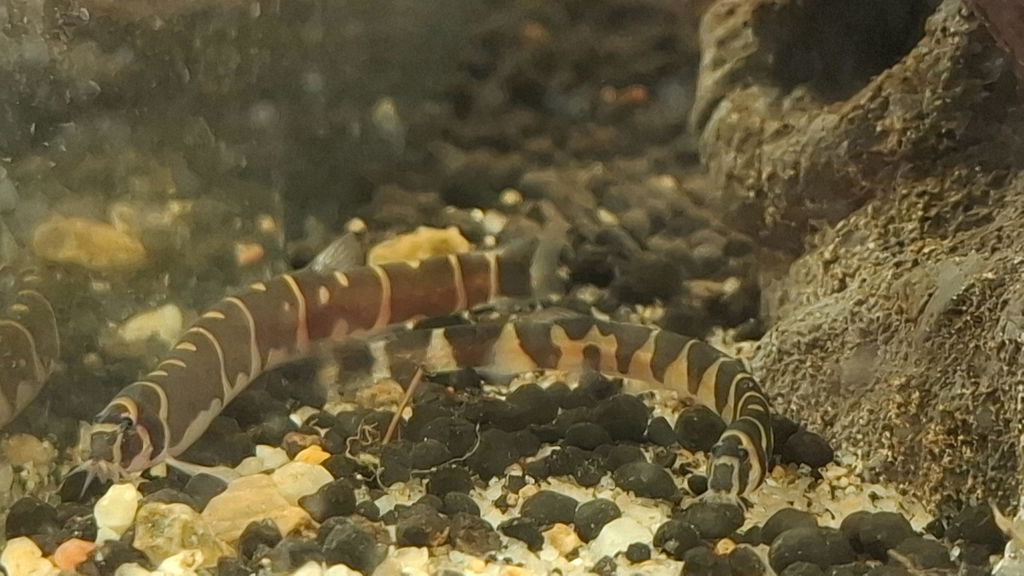
Love our Kuhli loaches, they arrived quickly & in great condition.
Everything turned up on time and healthy.
Can't ask for more.